

Cast Into the Catskills Mist for Local Bass
What you will be catching:
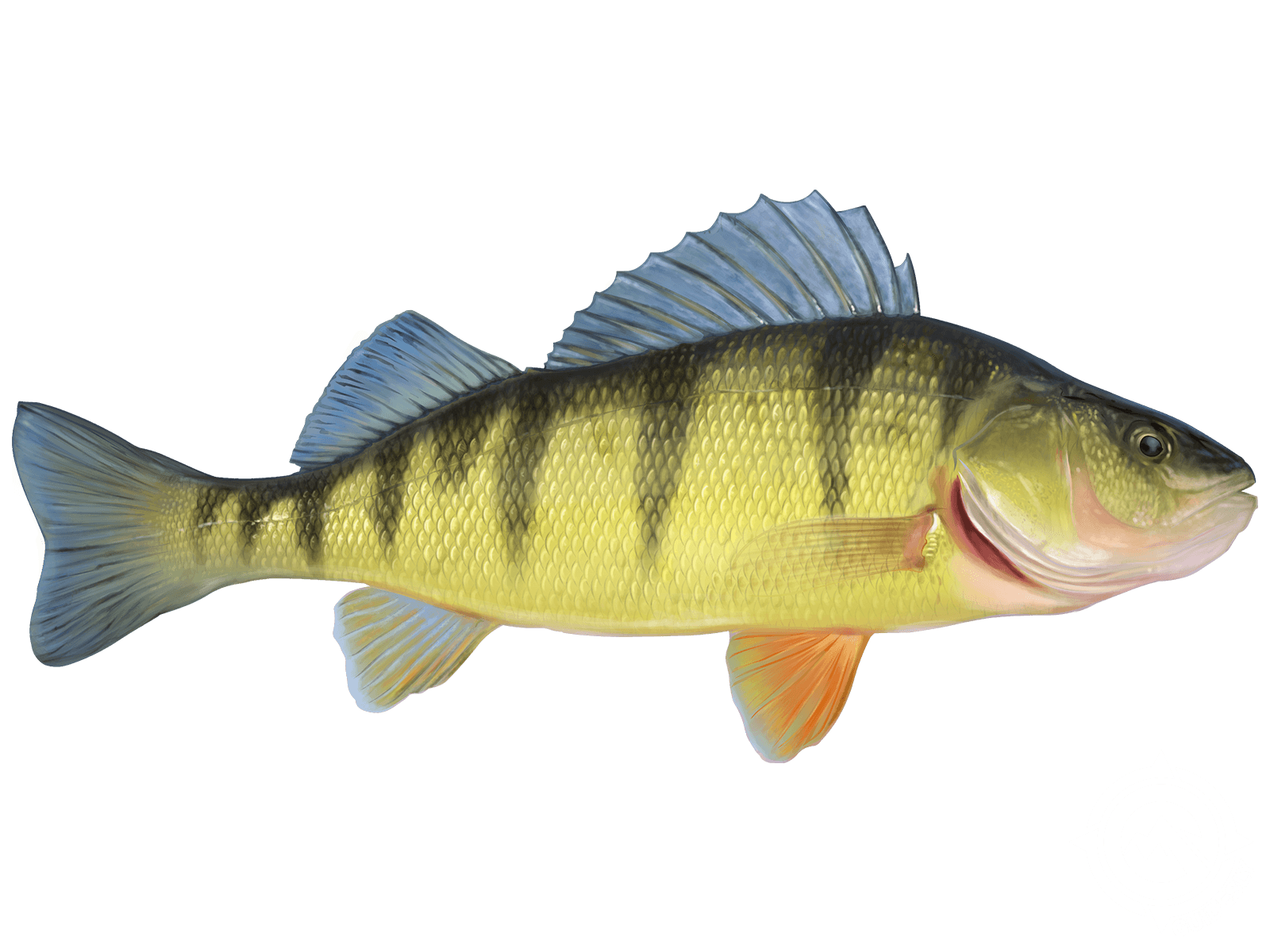
 American Yellow Perch
 Chain Pickerel
 Crappie
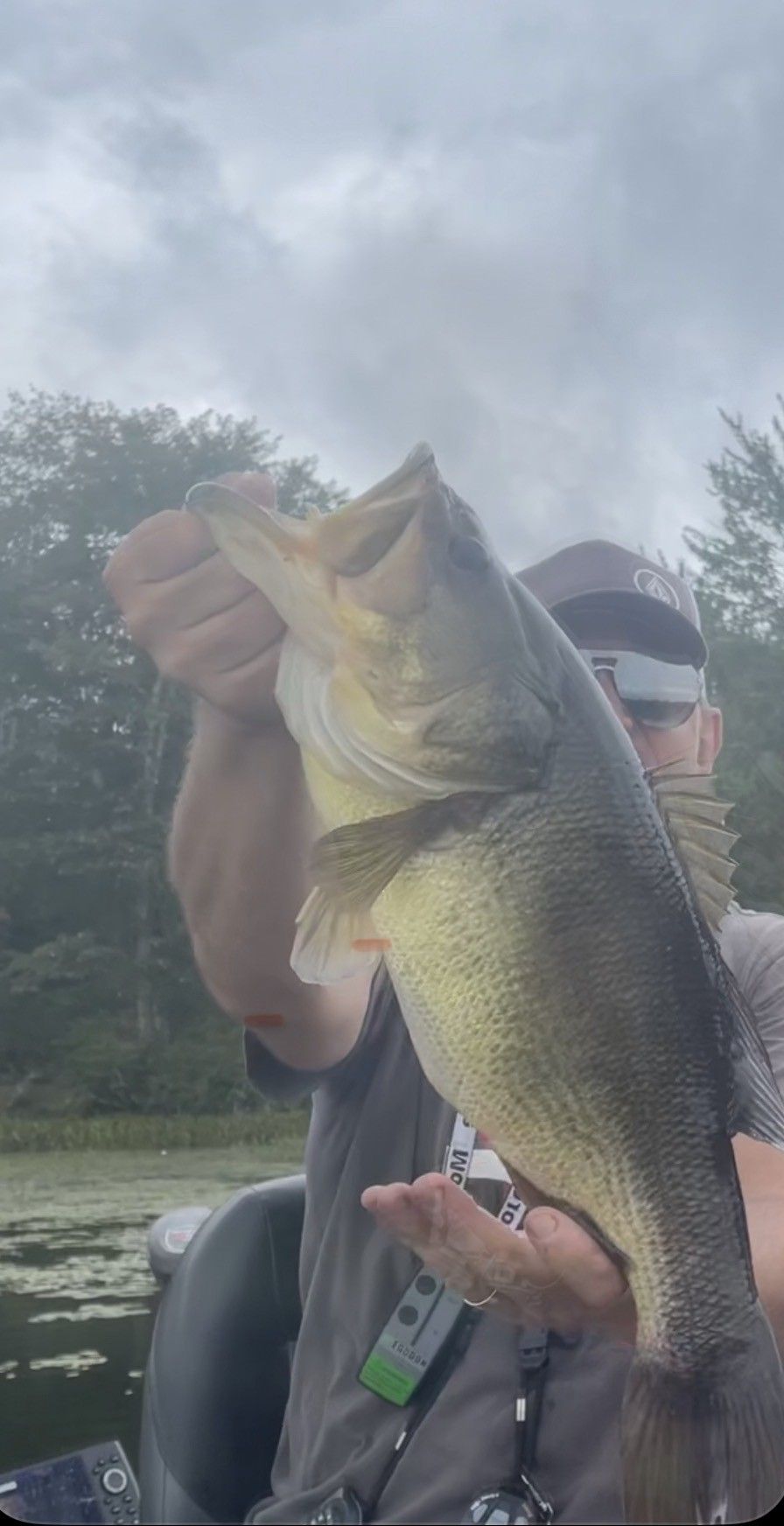
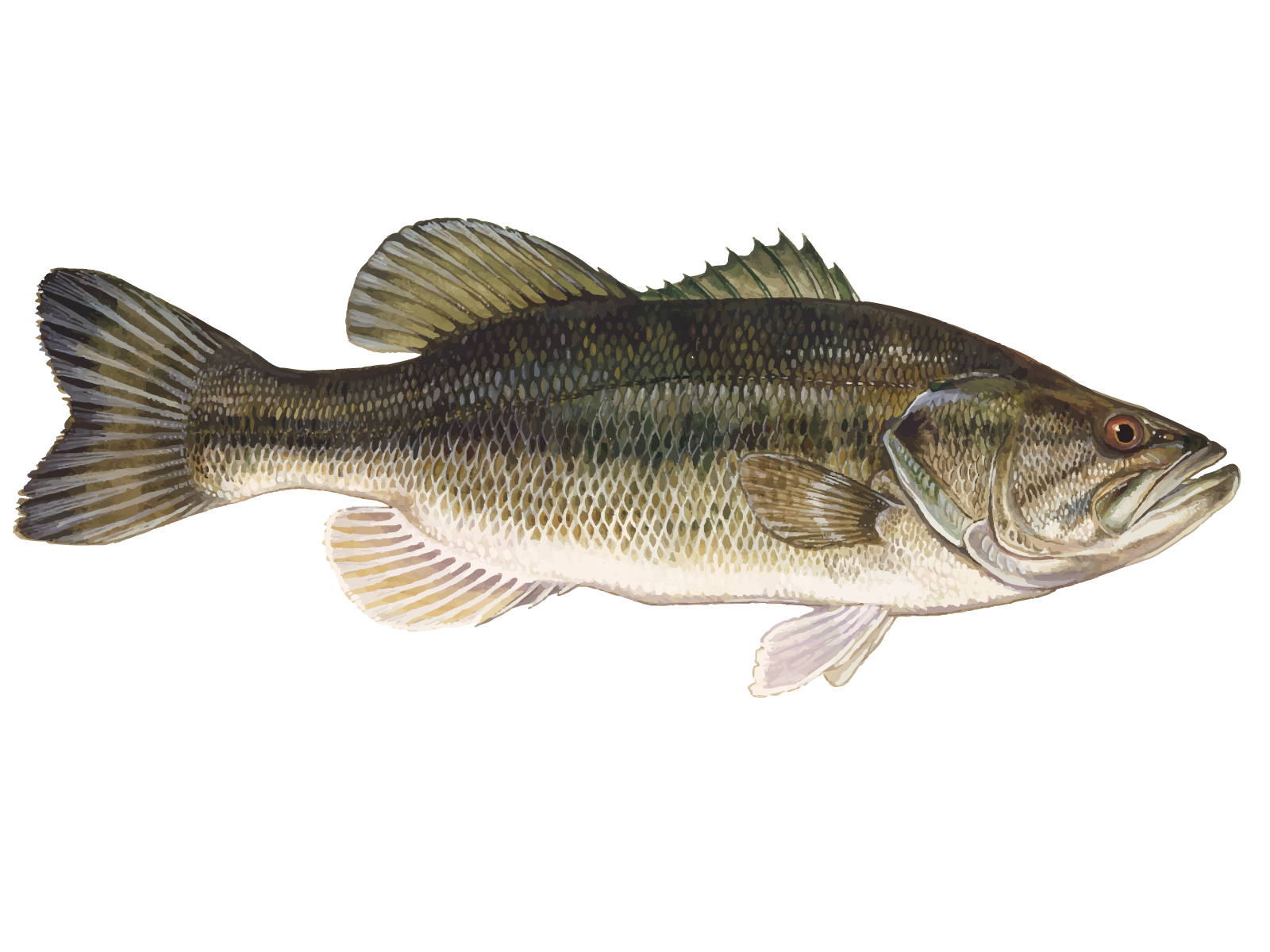 Largemouth Bass
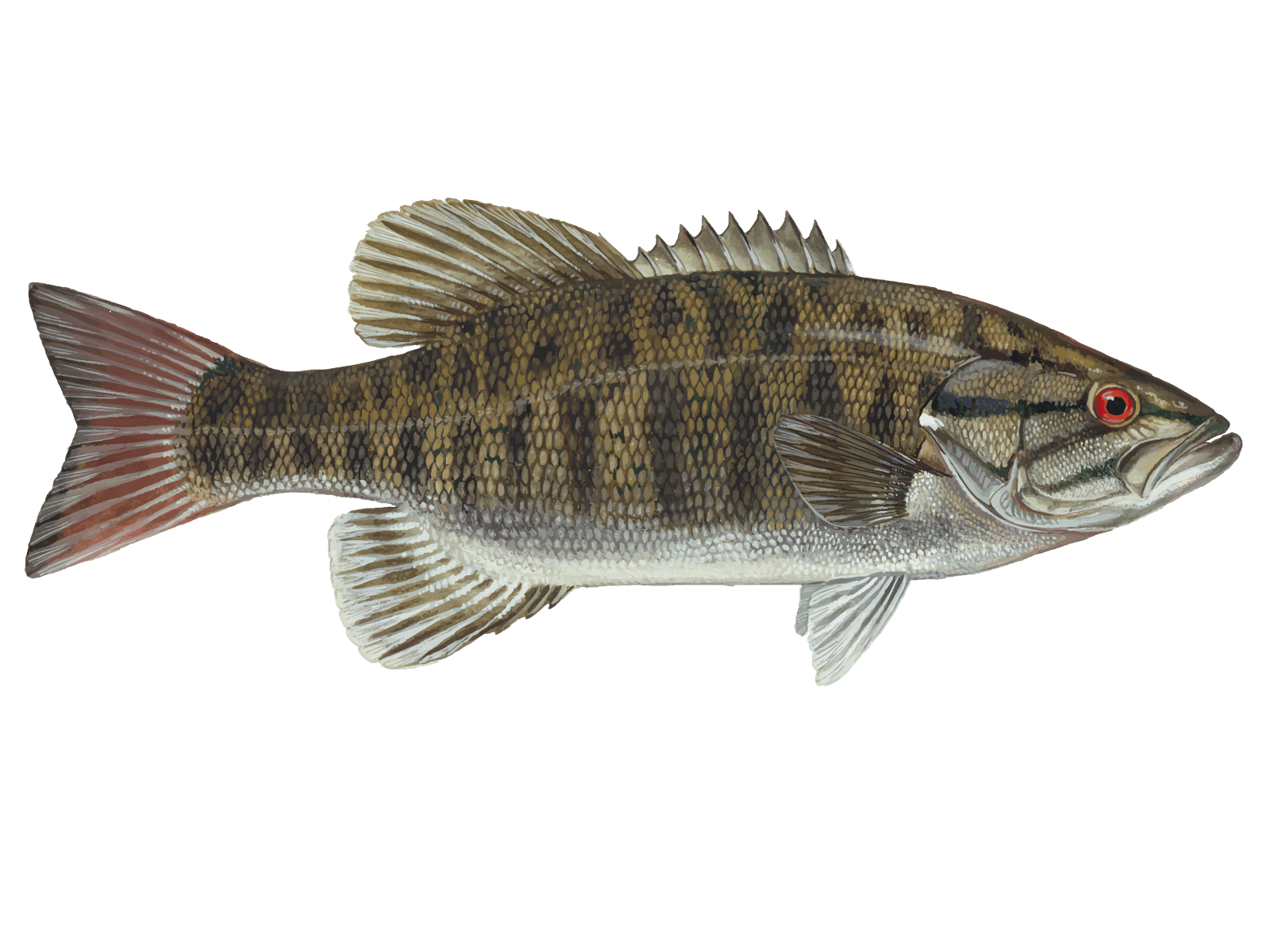
 Smallmouth Bass
- Private morning charter targeting largemouth bass in scenic mountains
- Professional guide supplies premium tackle and advanced electronics
- Small group setting welcomes anglers of all experience levels
Trip Pricing and Availabilities:
Cast Into the Catskills Mist for Local Bass
Picture this: the sun's just breaking over the Catskill Mountains, and you're drifting quietly across White Lake with your own personal guide who knows every underwater structure like the back of his hand. That's exactly what you get with Captain Dee Bees on this top-rated morning charter. Whether you're a seasoned angler looking to dial in your technique or bringing the kids out for their first real fishing adventure, this trip shapes itself around what you want to accomplish. No crowds, no rushing – just you, the water, and some seriously active fish in one of Sullivan County's most productive lakes.
What to Expect on the Water
Your morning starts early when the fish are most active and the lake's surface is still kissed with mist. Captain Dee Bees meets you right at White Lake with everything ready to go – quality rods, reels, and a tackle box that's seen plenty of successful days on these waters. The beauty of this private setup is how it adapts to your crew. Got a mix of experience levels? No problem. Want to focus entirely on largemouth bass? Dee's got you covered. Prefer to let the kids try their luck with some cooperative panfish? That works too. The boat's equipped with fish-finding electronics that take the guesswork out of locating where the action is happening, so you spend more time with lines in the water and less time wondering if there's anything down there. The Catskill backdrop doesn't hurt either – it's the kind of scenery that makes every cast feel special, whether you're landing fish or just enjoying the peace of being out there.
Techniques & Target Areas
White Lake offers diverse fishing opportunities, and Captain Dee Bees knows how to work them all. You'll likely spend time around the weed beds where largemouth bass love to ambush prey – this means working soft plastics through the cover or pitching jigs to likely spots. The electronics on board help pinpoint underwater structure where fish congregate, from fallen trees to drop-offs that hold schools of crappie and perch. Depending on conditions and what's working that day, you might find yourself casting spinnerbaits along the shoreline, working topwater lures in the early morning calm, or even still-fishing with live bait if that's what gets results. The gear provided covers all these techniques, so you don't need to stress about bringing the right setup. Captain Dee adjusts the approach based on what the fish are telling him – some days they want fast-moving presentations, other days they're more finicky and require a subtle touch. That local knowledge is what turns a good morning into a memorable one.
Species You'll Want to Hook
Largemouth Bass are the main attraction here, and White Lake's population is known for producing some chunky fish. These bass love the lake's abundant weed cover and structure, making them aggressive feeders when conditions are right. Spring through fall offers the best action, with early morning being prime time when they're actively hunting in shallow water. What makes catching largemouth so satisfying is their fight – they'll jump, dive for cover, and generally give you a workout on lighter tackle.
Crappie school up in White Lake's deeper areas and around submerged structure, making them a customer favorite for consistent action. These panfish typically run 8-12 inches and are known for their delicate bite, so they teach patience and finesse. Spring spawning season brings them shallow where they're easier to target, but Captain Dee's electronics help locate them year-round in their deeper haunts. Kids especially love crappie fishing because once you find a school, the action can be non-stop.
Smallmouth Bass provide a different kind of excitement with their pound-for-pound fighting ability that's hard to match. While less common than largemouth in White Lake, when you hook into a smallie, you'll know it immediately from their aggressive runs and aerial displays. They prefer rocky areas and deeper water, making them a great target when using the boat's fish finder to locate prime structure.
Chain Pickerel are the lake's wild cards – these aggressive predators hit fast and fight dirty, often making spectacular surface strikes that get everyone's attention. They're abundant in White Lake's weedy areas and provide steady action when bass might be finicky. Their sharp teeth and sudden strikes make them exciting for anglers of all ages, though they require careful handling.
American Yellow Perch round out the mix as excellent table fare and reliable biters that make any trip successful. These schooling fish often save the day when other species aren't cooperating, and their willingness to bite makes them perfect for building confidence in newer anglers. They typically run 6-10 inches in White Lake and can be caught consistently throughout the season using smaller presentations.
Time to Book Your Spot
This world-class morning charter delivers exactly what serious anglers want: personalized attention, local expertise, and productive fishing in a beautiful setting. With Captain Dee Bees handling the logistics and providing quality gear, you can focus entirely on what matters – enjoying time on the water and hopefully landing some memorable fish. The private nature means your group gets the full attention and the trip moves at your pace, making it perfect whether you're looking to sharpen your skills or introduce someone new to freshwater fishing. White Lake's diverse fish population practically guarantees action, and the Catskill Mountain backdrop makes every moment picture-worthy. Don't wait to secure your spot on this trending Sullivan County fishing experience – morning charters book up quickly, especially during peak seasons when the fish are most active.
Learn more about the animals
American Yellow Perch
Yellow perch are our most reliable panfish, running 6-10 inches with those classic golden sides and dark vertical stripes. They school up in deeper water around structure but move shallow during spring spawning. These fish bite consistently through all seasons, making them perfect for families or when other species are finicky. They're prized for their sweet, mild flesh - many consider them the best-eating freshwater fish around here. The key is finding the schools since they travel in large groups. Once you locate them, you can often catch dozens. My tip: use a small jig tipped with a piece of worm and work it near the bottom around docks or weed lines. Keep your presentation small and subtle - perch have smaller mouths than bass.
Chain Pickerel
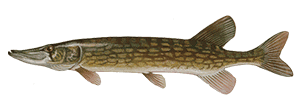
Chain pickerel are White Lake's toothy predators, typically 18-24 inches with that distinctive chain-link pattern along their olive-green sides. These ambush hunters love weedy shallows and quiet backwater areas where they can dart out at unsuspecting prey. They're active year-round but really turn on during cooler months when other species slow down. What makes them exciting? They're aggressive strikers that'll jump and fight hard, plus they'll hit almost anything that moves. Fair warning - they're bony to eat, so most folks catch and release. My best advice: use a steel leader because those razor-sharp teeth will cut through regular line in a heartbeat. Try a flashy spinnerbait worked with an erratic retrieve along the weed edges.
Crappie
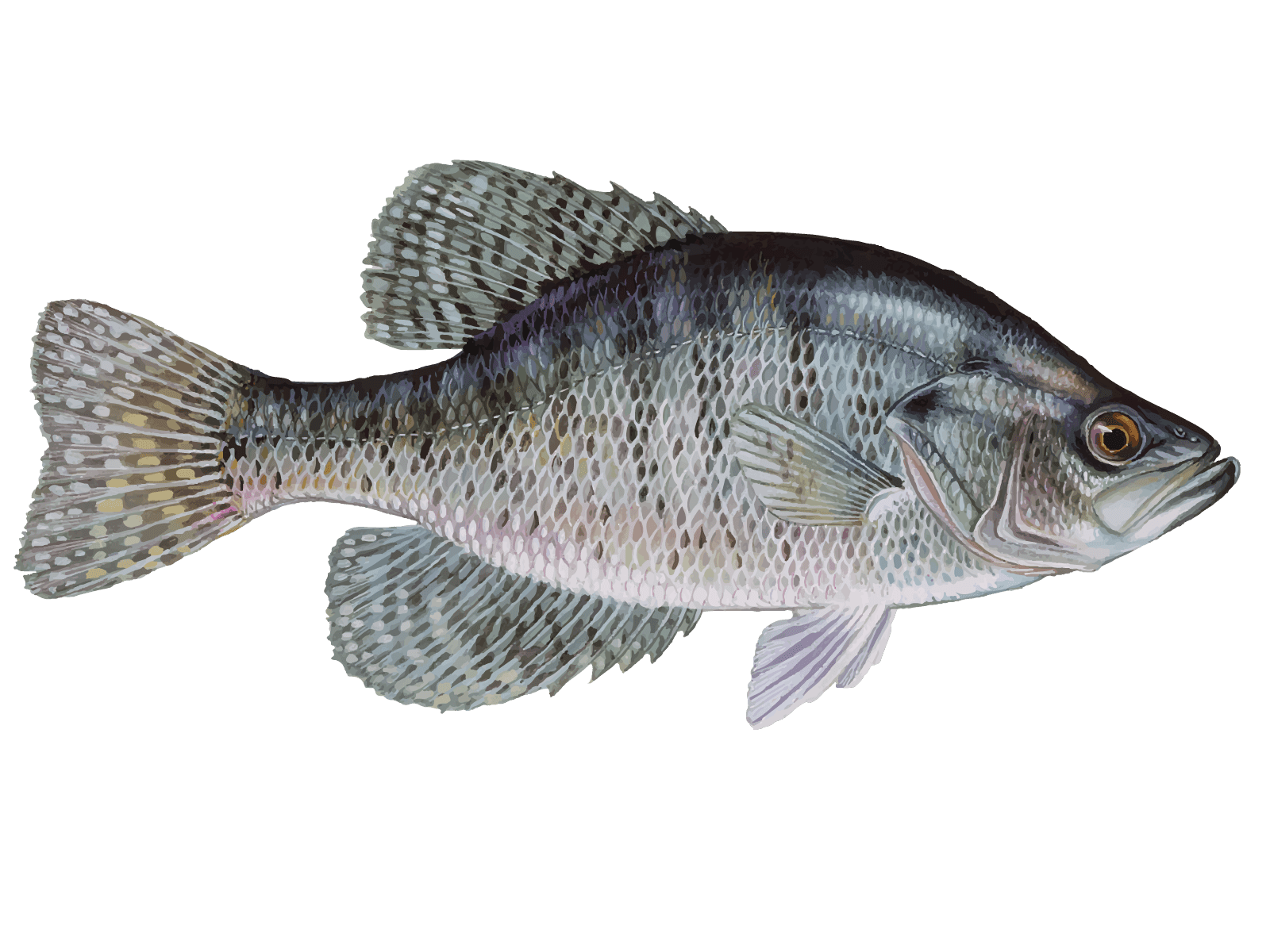
Both black and white crappie call White Lake home, averaging 7-12 inches and about a pound. You'll spot the difference easily - whites have vertical bars, blacks are speckled all over. These schooling fish love structure like submerged brush, docks, and weed edges in moderately deep water. Spring spawning season is prime time, but they bite year-round if you find the schools. Families love targeting crappie because they're abundant, fun to catch, and absolutely delicious with sweet, flaky white meat. Here's my go-to technique: use a small jig under a bobber and work it slowly around cover. Once you catch one, stay put - where there's one crappie, there's usually a whole school waiting.
Largemouth Bass
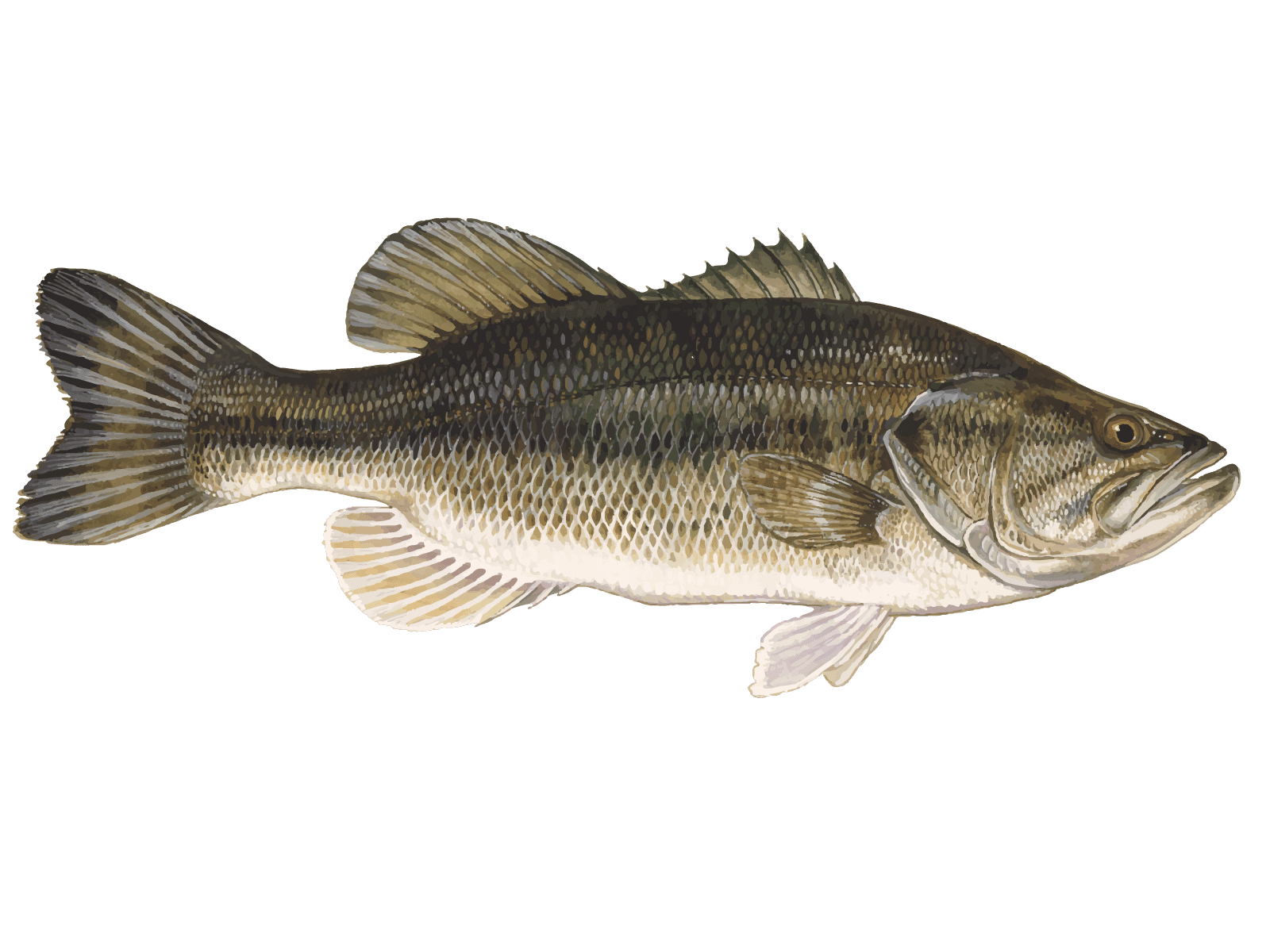
White Lake's largemouth bass typically run 12-24 inches and 1-4 pounds, with that famous oversized mouth extending past their eyes. These green fighters love hanging around our weed beds, fallen logs, and shallow cover where they ambush prey. Spring through fall offers the best action, especially early morning when they're actively feeding. What makes them special? They put up a solid fight with plenty of jumps and runs, plus they're great eating when handled right. My local tip: when working the weed lines here, throw a weightless plastic worm right into the thickest cover - that's where the big ones hide. Don't be afraid to fish slow and let it sink naturally through the vegetation.
Smallmouth Bass
Smallmouth bass are the scrappy fighters of White Lake, usually running 12-18 inches with bronze-colored sides and red eyes. They prefer the rocky areas and clearer water, often hanging deeper than their largemouth cousins, especially in summer heat. Spring and fall are peak times when they move shallow, but early morning and evening produce best. What sets them apart? Pound for pound, they're the hardest fighting bass you'll encounter - expect multiple jumps and strong runs. They also make excellent table fare with firm, white meat. My local secret: work a small tube jig slowly along the rocky drop-offs. These fish are structure-oriented, so focus on boulders, ledges, and rocky points where they ambush crayfish and minnows.