

Master Modern Marine Electronics on the Water
What you will be catching:
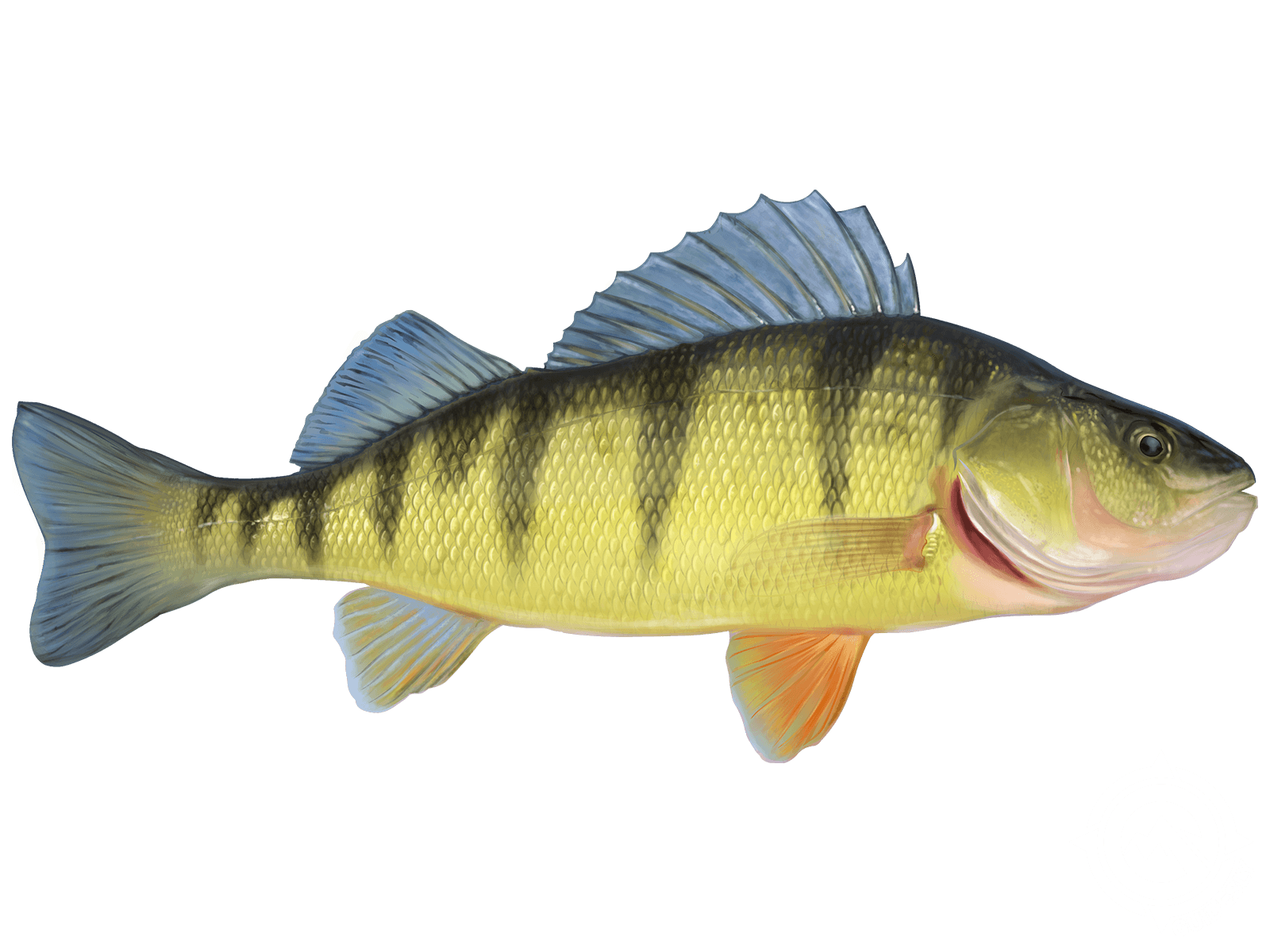
 American Yellow Perch
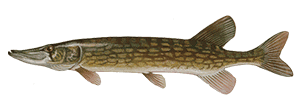
 Chain Pickerel
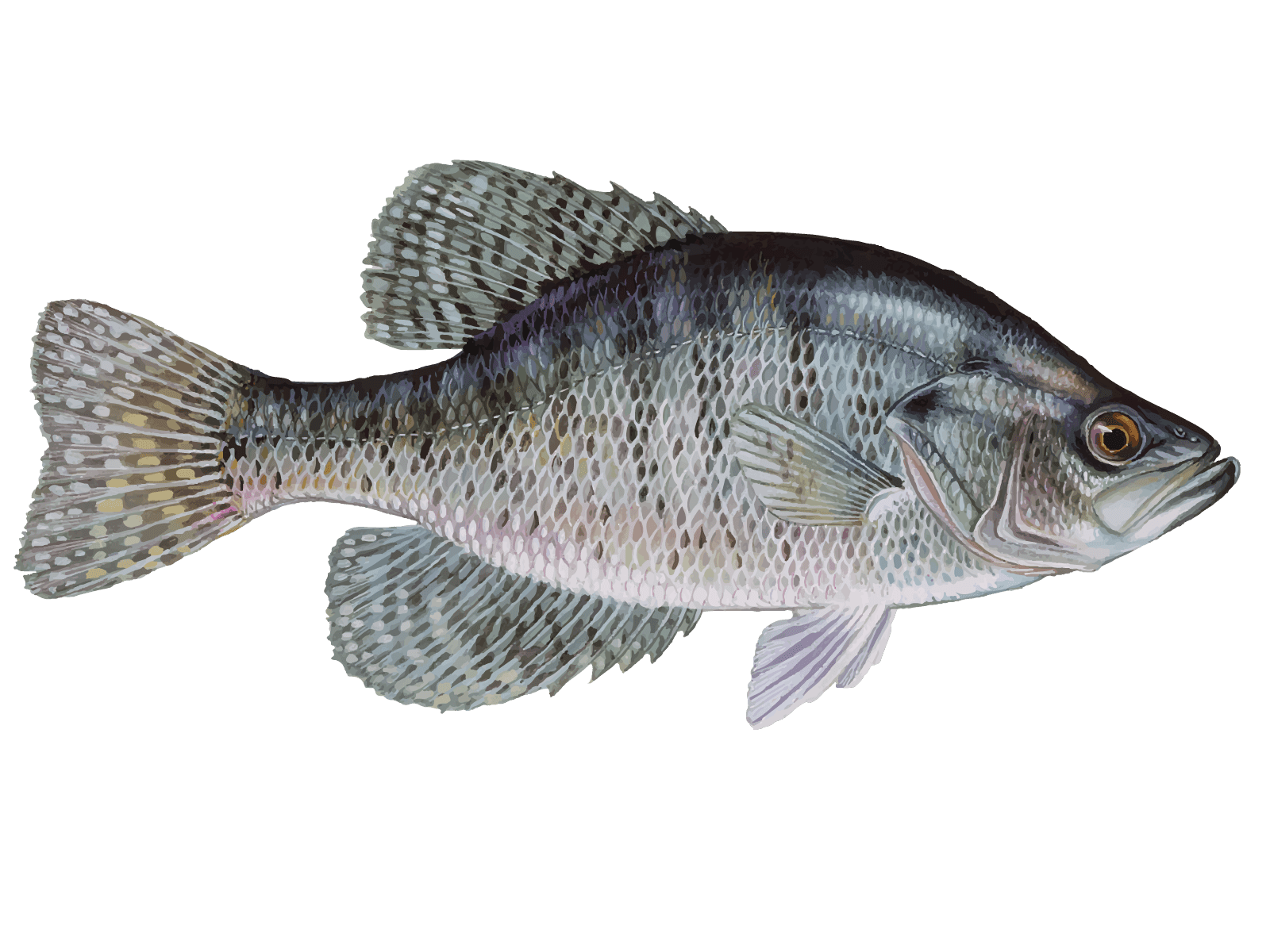
 Crappie
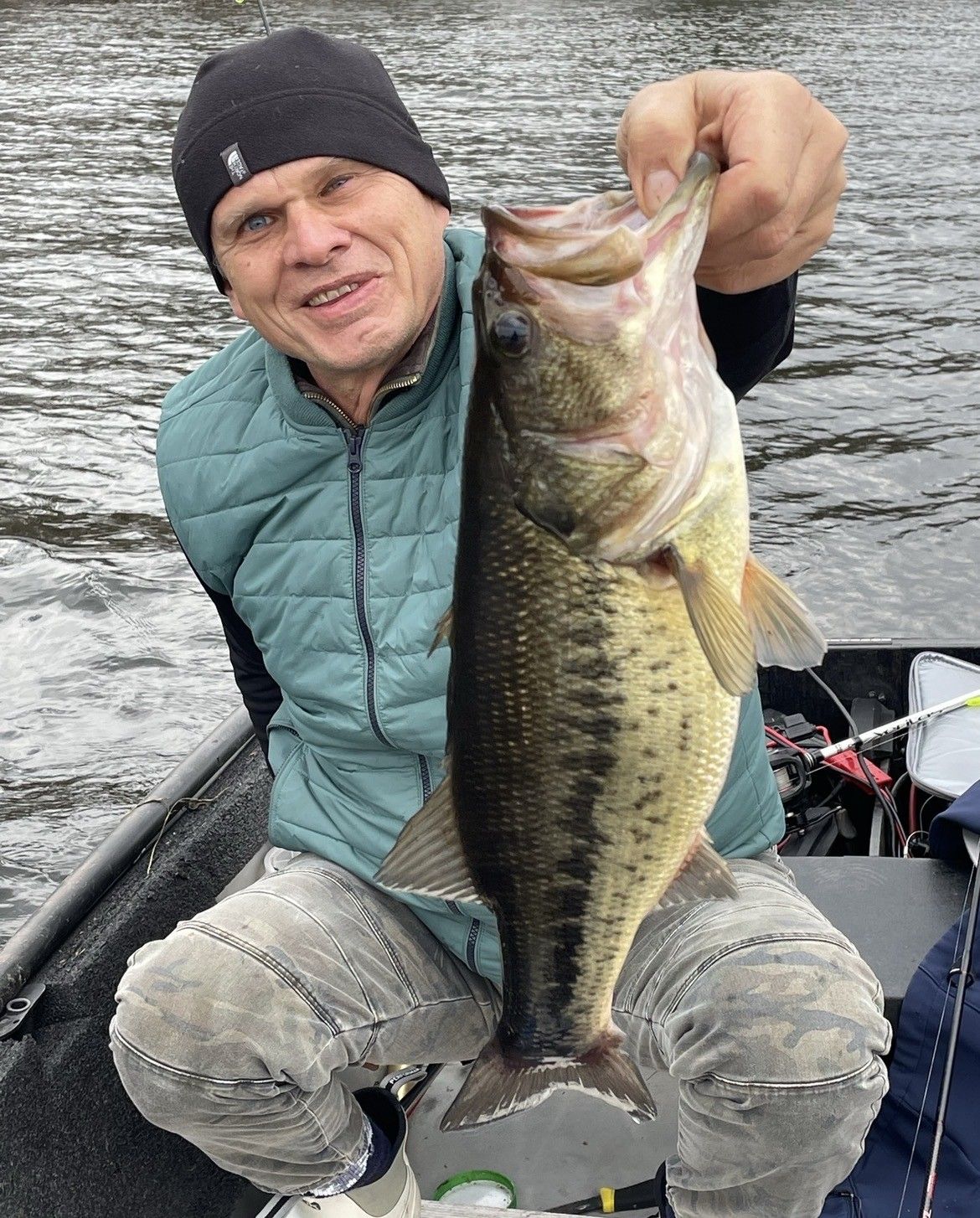
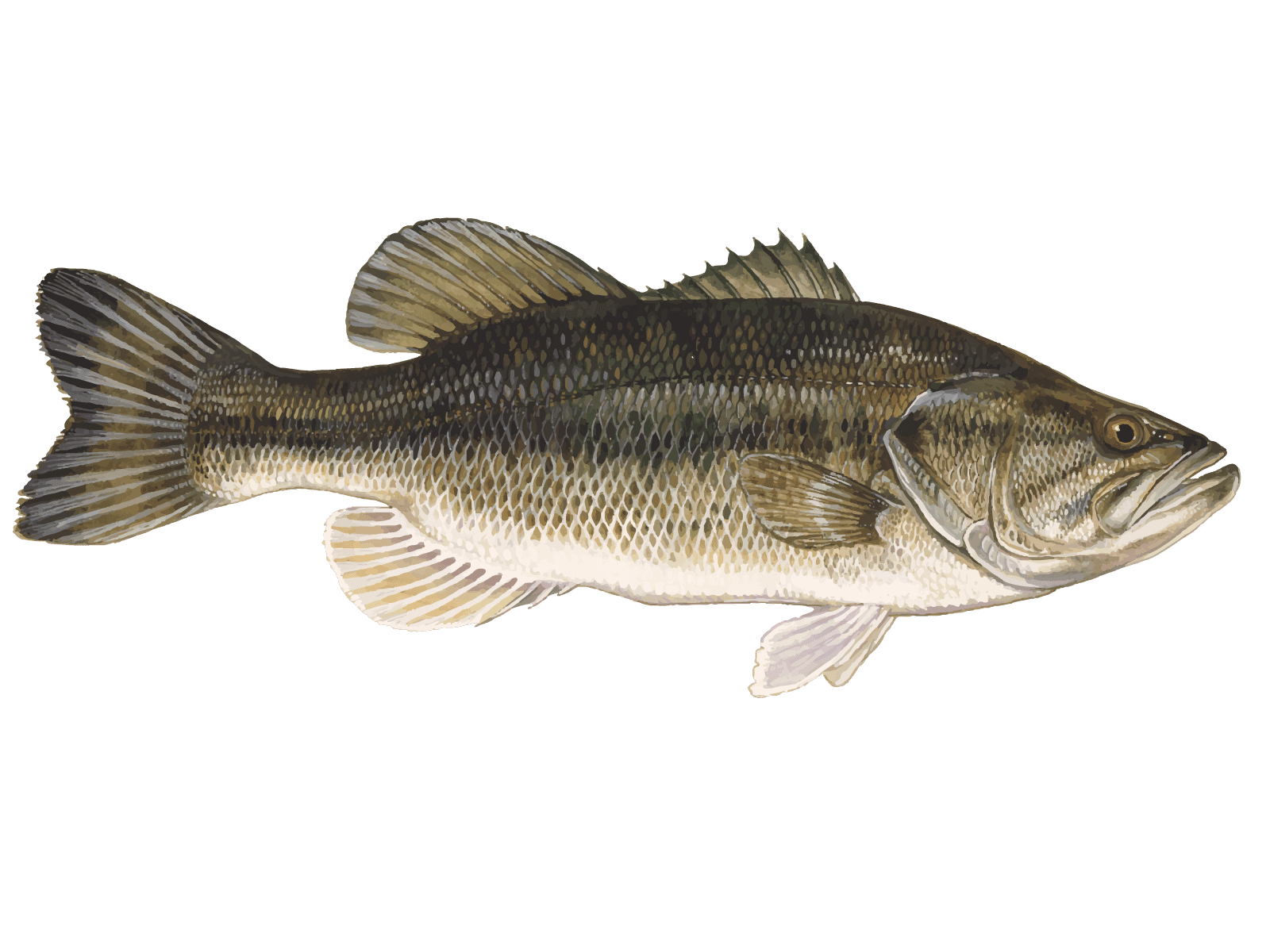
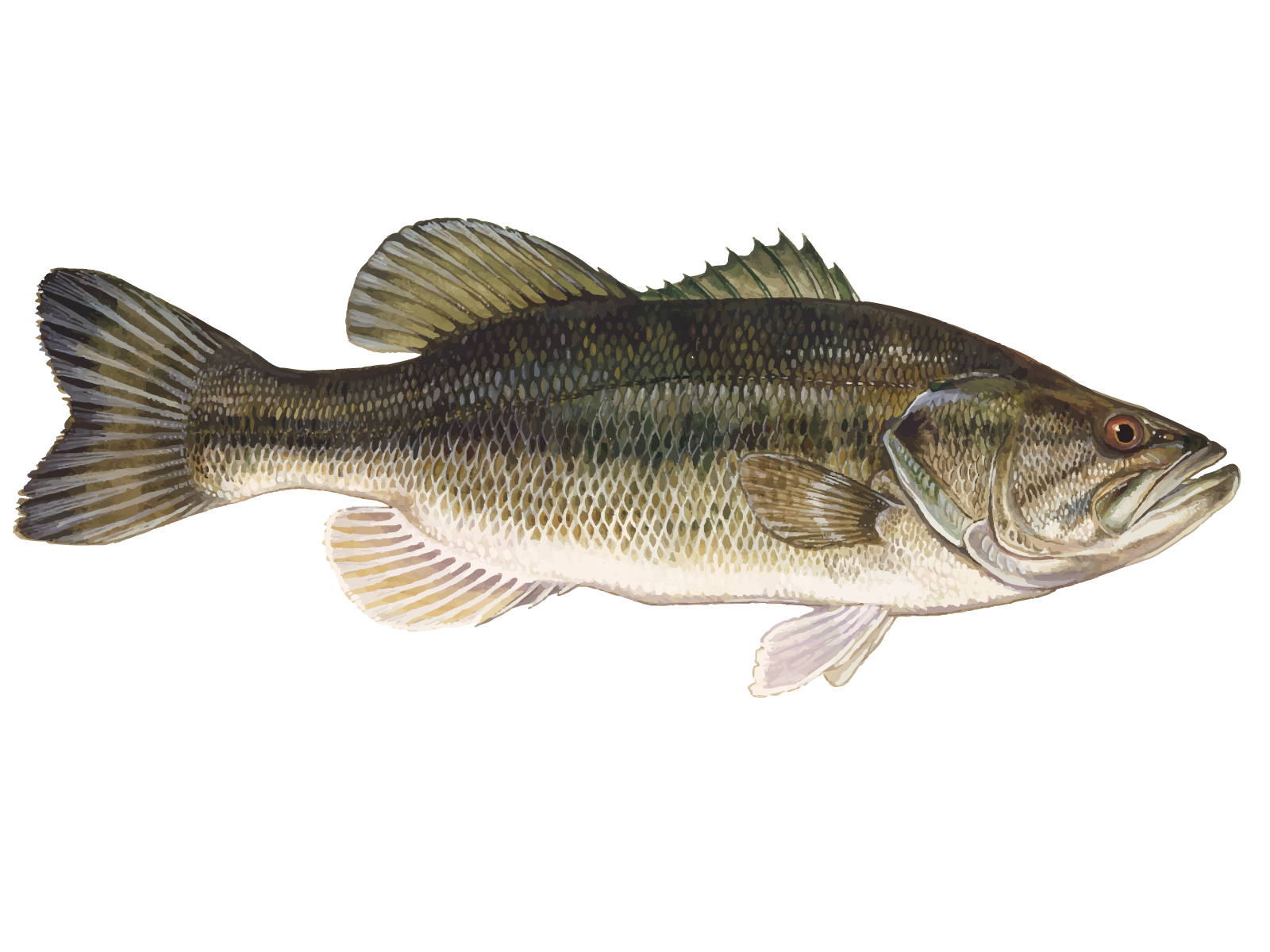 Largemouth Bass
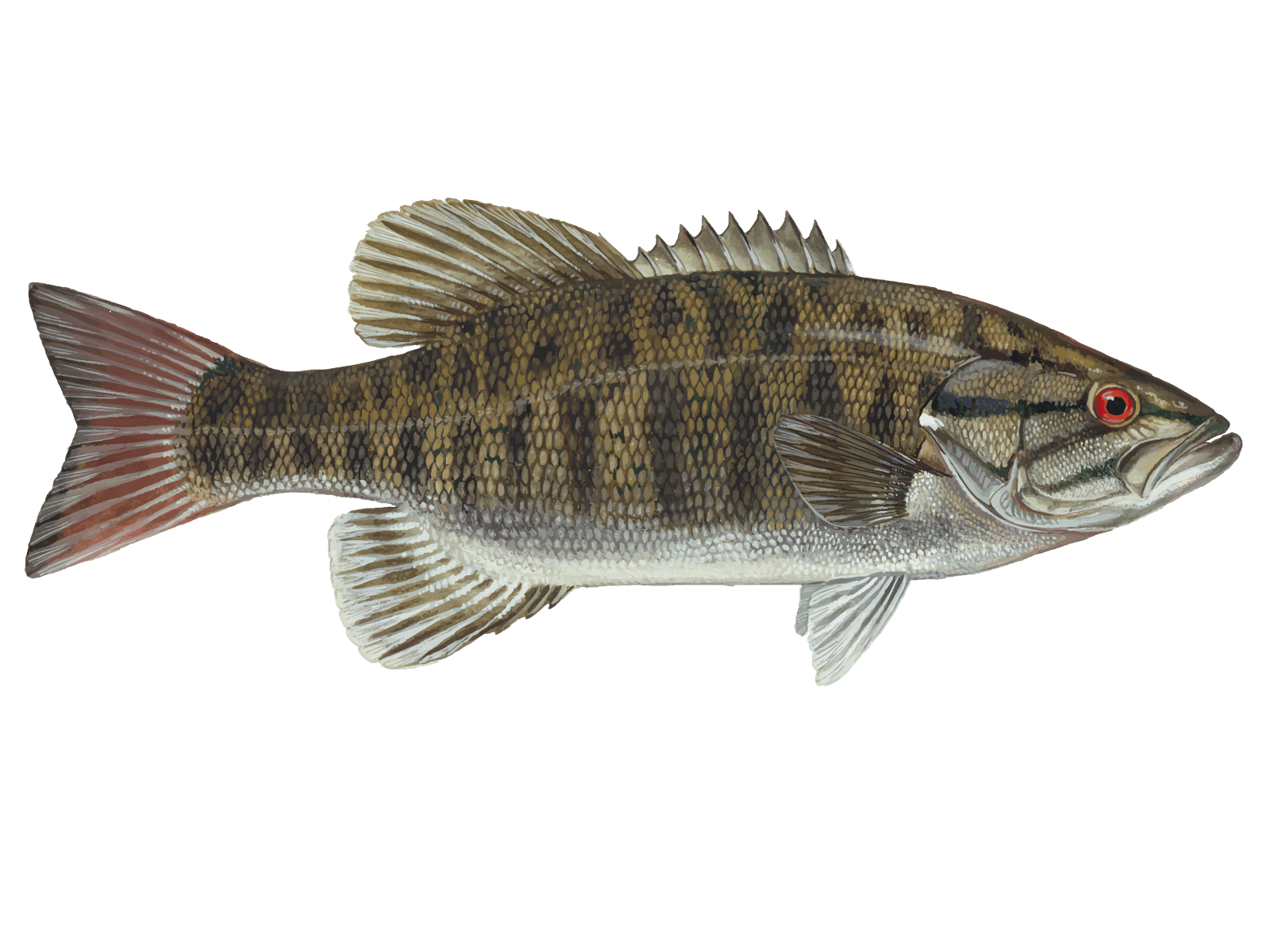
 Smallmouth Bass
- Learn forward-facing sonar techniques for fish location
- Master GPS and sonar data interpretation with expert guidance
- Small group instruction emphasizes technique and skill development
Trip Pricing and Availabilities:
Master Modern Marine Electronics on the Water
Tired of casting blind and hoping for the best? This top-rated electronics clinic with Captain Dee Bees will completely change how you fish White Lake. Instead of relying on luck and old-school guesswork, you'll learn to read the water like a pro using cutting-edge forward-facing sonar technology. This shared morning session is all about hands-on learning—you'll actually watch fish react to your presentations in real-time and understand exactly what's happening beneath the surface. Walk away with skills that'll make every future fishing trip more productive and way more fun.
What to Expect on the Water
Captain Dee Bees runs a skill-focused session that's perfect for anglers ready to step up their game. You'll spend the morning learning to interpret GPS and sonar data while actively fishing White Lake's diverse structure. This isn't a lecture—it's hands-on training where you'll see fish movement, understand how they relate to structure, and learn to adjust your approach on the fly. The shared format keeps costs down while creating a collaborative learning environment with a maximum of two guests. You'll use high-quality gear throughout the trip, so you can focus entirely on absorbing the techniques rather than fumbling with unfamiliar equipment. Meeting spots are confirmed directly with Captain Dee Bees after booking, ensuring you get detailed directions to the exact launch point.
Electronics Training & Techniques
Forward-facing sonar is revolutionizing bass fishing, and this clinic teaches you to harness its full potential. You'll learn to identify different types of structure, track fish movement patterns, and understand how bass position themselves throughout the day. Captain Dee Bees walks you through reading sonar returns, distinguishing between fish and debris, and using GPS waypoints to build a productive fishing strategy. The focus is on practical application—you'll practice casting to specific targets you can see on the screen, then watch how fish react to different baits and presentations. This real-time feedback loop accelerates learning dramatically compared to traditional trial-and-error methods. You'll also master depth interpretation, learn to spot suspended fish, and understand how weather affects fish positioning on the electronics.
Species You'll Want to Hook
Largemouth Bass are White Lake's crown jewel and the perfect species for electronics training. These aggressive predators love the lake's abundant cover and structure, typically holding in 8-15 feet of water during warmer months. Spring and fall offer the most consistent action, with bass relating tightly to points, drop-offs, and submerged timber. What makes them so exciting is their aggressive nature—when you present a bait correctly after spotting them on sonar, the strikes are often explosive and immediate.
Smallmouth Bass bring a different challenge and fighting style to White Lake's rocky areas and deeper structure. These bronze-backs prefer clearer water and hard bottom, making them ideal targets for precision electronics work. They're most active during cooler months and provide some of the best pound-for-pound fights you'll experience. Smallmouth often school up, so when you locate one using sonar, there are usually several more nearby.
Crappie offer excellent opportunities to practice your electronics skills, especially around brush piles and deeper structure. These schooling fish show up beautifully on sonar, and learning to distinguish crappie schools from bass is a valuable skill. They're most active during spring spawn and again in fall, typically holding in 10-20 feet of water. Their delicate bite requires finesse, making them perfect for practicing precise bait presentation techniques.
Chain Pickerel add excitement with their lightning-fast strikes and sharp teeth. These aggressive predators prefer weedy areas and shallow structure, making them great targets for practicing shallow-water sonar techniques. They're active year-round but peak during cooler months when they ambush prey from heavy cover. Their explosive strikes and acrobatic fights make every hookup memorable.
American Yellow Perch provide consistent action and help anglers practice reading bottom composition and structure. These schooling fish show distinct patterns on sonar and offer great opportunities to practice tracking fish movement. They're most active during fall and winter months, typically holding near drop-offs and deeper structure. Their steady bite and excellent table fare make them a customer favorite for multi-species trips.
Time to Book Your Spot
This electronics clinic fills up fast because the skills you'll learn apply to every future fishing trip, not just your day on White Lake. Captain Dee Bees' hands-on teaching approach and real-time sonar instruction give you a serious edge over anglers still fishing blind. Whether you're looking to upgrade your tournament game or just want to catch more fish consistently, this morning session delivers practical skills you'll use for years. The shared format makes world-class instruction affordable while maintaining the personal attention that makes the difference. Don't forget to contact Captain Dee Bees after booking for your exact meeting location and any specific questions about the day ahead.
Learn more about the species
American Yellow Perch
These golden beauties are some of the best eating fish in White Lake, running 6-10 inches and traveling in large schools. Find them around weedy areas, docks, and drop-offs where they feed on insects and small baitfish. They bite consistently through all seasons, making them great confidence builders. What guests love most is the steady action once you find a school, plus they're absolutely delicious - sweet, flaky white meat. The sonar really shines here because you can spot those big schools suspended or hugging bottom structure. Simple tip: once you mark a school on the electronics, drop small jigs tipped with worms or minnows right into the group. Where there's one perch, there's usually fifty more.
Chain Pickerel
These toothy predators are White Lake's version of freshwater barracuda, usually running 18-24 inches with serious attitude. Look for them in weedy bays and around vegetation where they ambush smaller fish. They're active most of the year but really turn on during cooler months. What makes them fun is their aggressive nature - they'll hit topwater baits with explosive strikes and jump clear out of the water. Fair warning though, they've got razor-sharp teeth, so bring a net. The meat's decent but bony. Best trick with our sonar is finding weed lines and working flashy spinnerbaits or topwater lures along the edges. When you see one follow on the screen, try the figure-8 technique at boatside.
Crappie
Both black and white crappie cruise these waters in schools, typically running 7-12 inches and about a pound. They love hanging around submerged brush, docks, and deeper structure during the day. Spring spawning season is money time when they move shallow, but they bite year-round if you find the right depth. Guests love them because they're fantastic eating - sweet, white meat that's hard to beat. They're also perfect for learning sonar since they show up as distinct marks in tight groups. The key here is using our electronics to find the schools first, then dropping small jigs or minnows right into the mix. Once you locate one crappie, there's usually a bunch more nearby.
Largemouth Bass
These are the bread and butter of White Lake - chunky green fish that average 12-24 inches and pack serious attitude. You'll find them hanging around weedy cover, fallen trees, and shallow structure where they ambush prey. Spring through fall are prime time, but they're catchable year-round. What makes them special is that explosive strike and the way they jump when hooked. Plus, with our forward-facing sonar, you can actually watch them track your bait before they hit. They're decent eating too if you keep a few from clean water. Pro tip: when you see one following your lure on the electronics, pause it for a second - that hesitation often triggers the bite.
Smallmouth Bass
Pound for pound, these bronze fighters are some of the strongest fish you'll tangle with on White Lake. They run 12-18 inches typically and prefer rocky areas and clear water. Spring and fall are peak seasons when they're most active in shallower water, though summer finds them deeper where it's cooler. What sets them apart is their fight - they'll jump, run, and generally make your drag sing. The meat is excellent too, firm and mild. They're perfect targets for our sonar instruction because they relate so heavily to bottom structure. Here's what works: find rocky points or drop-offs on the electronics, then work small plastics or tubes right along the bottom where they're holding.